

Manufacturing has become one of the most attacked sectors in the global economy, and the hardest part of defending it is finding the right people. Employers across advanced manufacturing, automotive, aerospace and defense compete for a small pool of cybersecurity specialists who understand factory environments. For hiring managers, that shortage has turned into a production risk.
Why is cybersecurity now critical in manufacturing?
Manufacturing was the most attacked industry in the world for the fifth year running in 2025, taking nearly 28% of all cyberattacks that IBM X-Force tracked. Smart factories hold valuable intellectual property and can’t afford downtime, and the dependence on sprawling supply chains gives attackers many ways in.
The average manufacturer faced about 1,585 attempted attacks a week in 2025, up 30% year over year, according to Check Point research. A serious breach today can be measured in weeks of lost production and unaffordable downtime.
The 2025 attack on Jaguar Land Rover halted UK manufacturing for about five weeks and cost the British economy an estimated £1.9 billion (roughly US$2.5 billion), affecting more than 5,000 UK organizations across its supply chain. The Cyber Monitoring Centre called it the most economically damaging cyber event in British history.
What are the main cyber threats to manufacturers?
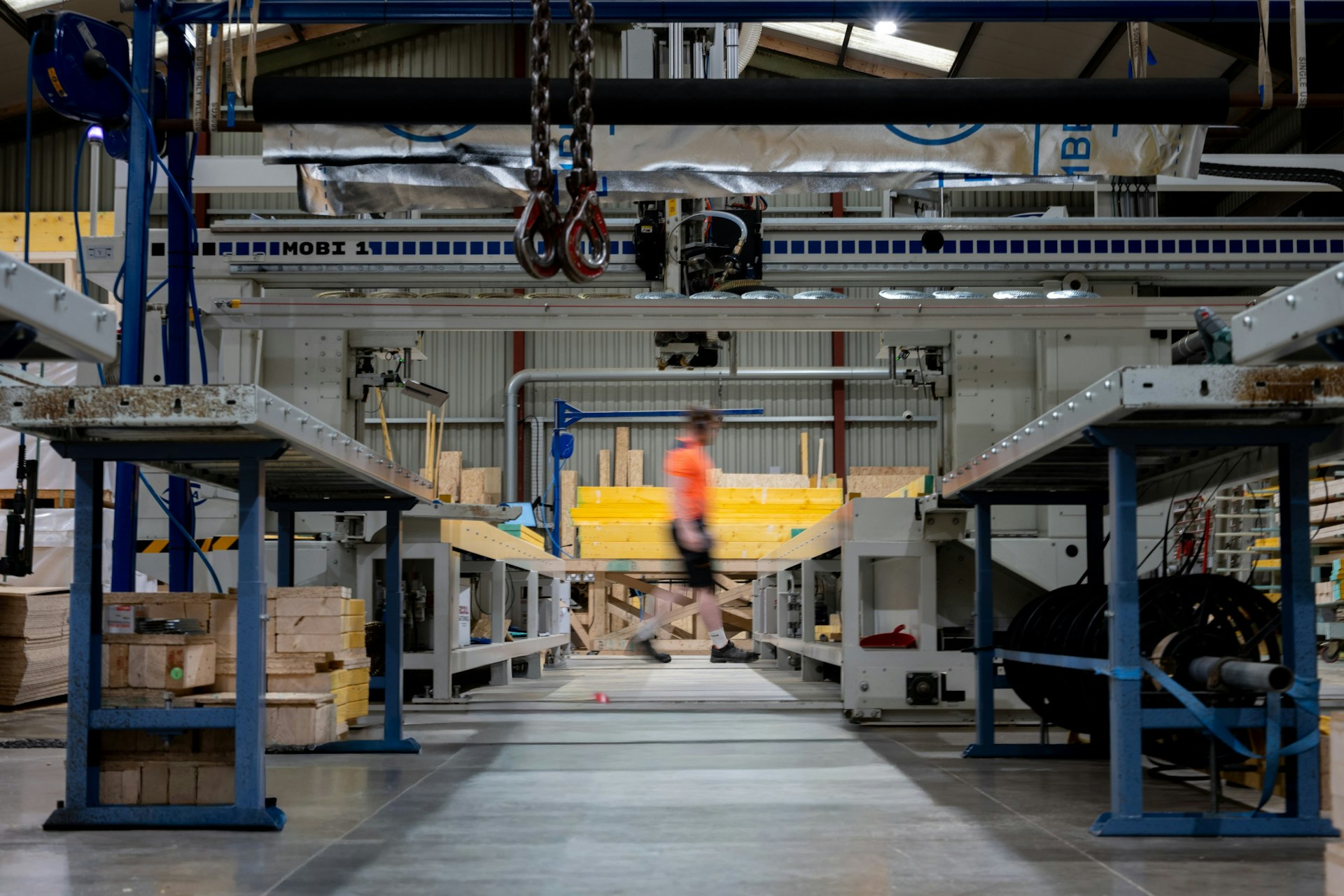
Manufacturers face a mix of ransomware and identity attacks that stop production and compromise supply chains, along with the new risks AI technology brings to attackers and factory systems. Most incidents begin by exploiting an Internet-facing system or a weak set of credentials.
- • Identity security: Attackers increasingly use stolen data to walk straight into systems. Nearly a third of the intrusions IBM X-Force tracked used valid accounts, helped by an 84% rise in infostealer malware spread through phishing. Strong identity and access management has become a frontline control.
- • AI security: AI is now a force multiplier on both sides. Attackers use it to scale phishing and social engineering, while manufacturers rushing to adopt AI and cloud tools often connect them without securing them. This opens blind spots on the network that nobody is watching.
- • Ransomware and OT disruption: Manufacturing records the highest number of ransomware cases of any sector in the UK, because attackers know that halted production is expensive enough to force a fast payment.
- • Supply chain and third-party risk: One weak supplier can be the way in. The JLR attack spread through an outsourced provider and cascaded across thousands of businesses.
- • Legacy OT and exposed systems: Exploitation of public-facing applications is another common route into manufacturing networks, and unpatched legacy machinery gives attackers an easy target.
These risks intensify in regulated, high-value niches. Defense manufacturing is the clearest example.
What is cybersecurity in defense manufacturing?
Cybersecurity in defense manufacturing is the practice of protecting classified data and proprietary designs from theft and sabotage. It combines IT and operational technology (OT) security with strict compliance standards that govern how contractors handle sensitive government information.
Defense suppliers face nation-state attackers with the resources to target weapons programs, sensor technology and the wider supply chain.
In the US, contractors must meet the Department of Defense’s Cybersecurity Maturity Model Certification (CMMC) to win and keep contracts, which raises the bar for the security talent they employ. That necessary compliance burden makes defense one of the hardest manufacturing niches to staff.
How does the cybersecurity skills gap affect manufacturers?
The cybersecurity skills gap hits manufacturers harder than most sectors because the work needs a rare mix of security and industrial engineering knowledge. Much factory security still sits with teams who lack the experience and expertise to protect production lines from heightened threats.
This shortage is widening, too. In ISACA’s 2025 State of Cybersecurity study:
- • 65% of organizations reported unfilled cybersecurity positions
- • 55% said their teams were understaffed
- • Around four in 10 said senior roles took three to six months to fill
The right people are scarcer still for standard and smart factory environments because OT security demands hands-on knowledge of industrial control systems that few candidates hold.
The SANS 2026 workforce study found that missing skills have now overtaken missing headcount as the industry’s top workforce problem. Filling a seat is not the same as closing the gap.
Which cybersecurity roles do manufacturers need to hire?
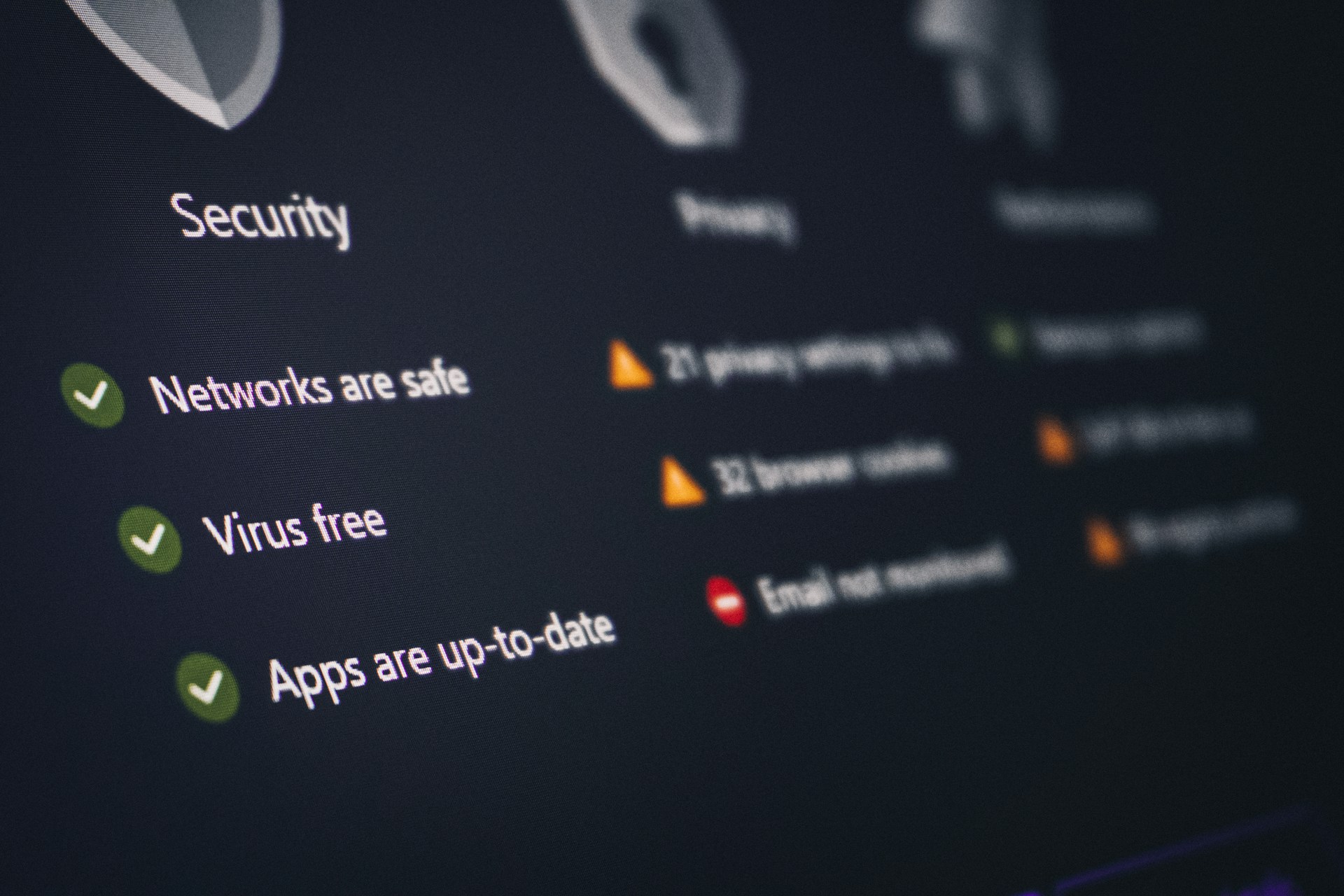
Manufacturers need cybersecurity professionals who can secure both corporate IT and the operational technology that runs the factory floor. The most in-demand roles combine security fundamentals with knowledge of industrial control systems and connectivity analysis.
- • OT and ICS security engineers who protect SCADA systems and legacy machinery without disrupting production
- • Security architects who design segmented networks, so an IT breach doesn’t reach the factory floor
- • Incident response specialists who contain an attack fast enough to keep lines running
- • Compliance and risk specialists who manage CMMC, supplier audits and cyber insurance requirements
- • IT/OT convergence leads who close the visibility gaps between separate security teams
Filling all five of these roles at once is beyond most manufacturers, so the practical route is to hire in order of risk, ideally starting with the talent who protects the factory floor. The harder question is where to find that person.
How can manufacturers hire the right cybersecurity talent?
Hiring in a candidate-scarce market takes a targeted search backed by real-time salary data. The strongest manufacturers map the available talent and benchmark pay against the specialist market, acting quickly when the right person appears to protect their organization.
Generalist recruiters struggle because they can’t tell a SOC analyst from an OT security engineer or say where those people really work. At Alexander Daniels Global, we specialize in the niche, hard-to-hire technical roles that keep Industry 4.0 running. We represent your business as a hiring partner with ongoing support, so you see candidates who fit the operational reality of a factory without losing out on top candidates.
Prepare your hiring strategy with Alexander Daniels Global
If cybersecurity hiring is on your roadmap, the time to build the strategy is before an incident forces the decision. Talk to our team about sourcing the right talent for you and your organization. You can also see how we approach specialist market data in our Industrial Automation Salary Guide.
